
Telehealth and Virtual Visits for Medical Practices
Telehealth lets a practice see and treat patients over video instead of in the office. Virtual care is the wider category, covering video visits, secure messaging, and phone triage. Used together they keep routine and after-hours needs inside the practice.
Below: what the terms actually mean, what to verify in a platform before you sign, how visits fit a real clinic schedule, what pediatric virtual care looks like, how demand moves through the year, and which patients benefit most. Each chapter links out to a deeper article.
01What Telehealth and Virtual Care Mean
Telehealth usually means the video visit. Virtual care covers everything around it, including secure messaging and nurse triage. Knowing which one a vendor is selling you changes the comparison.
02Choosing a HIPAA-Compliant Platform
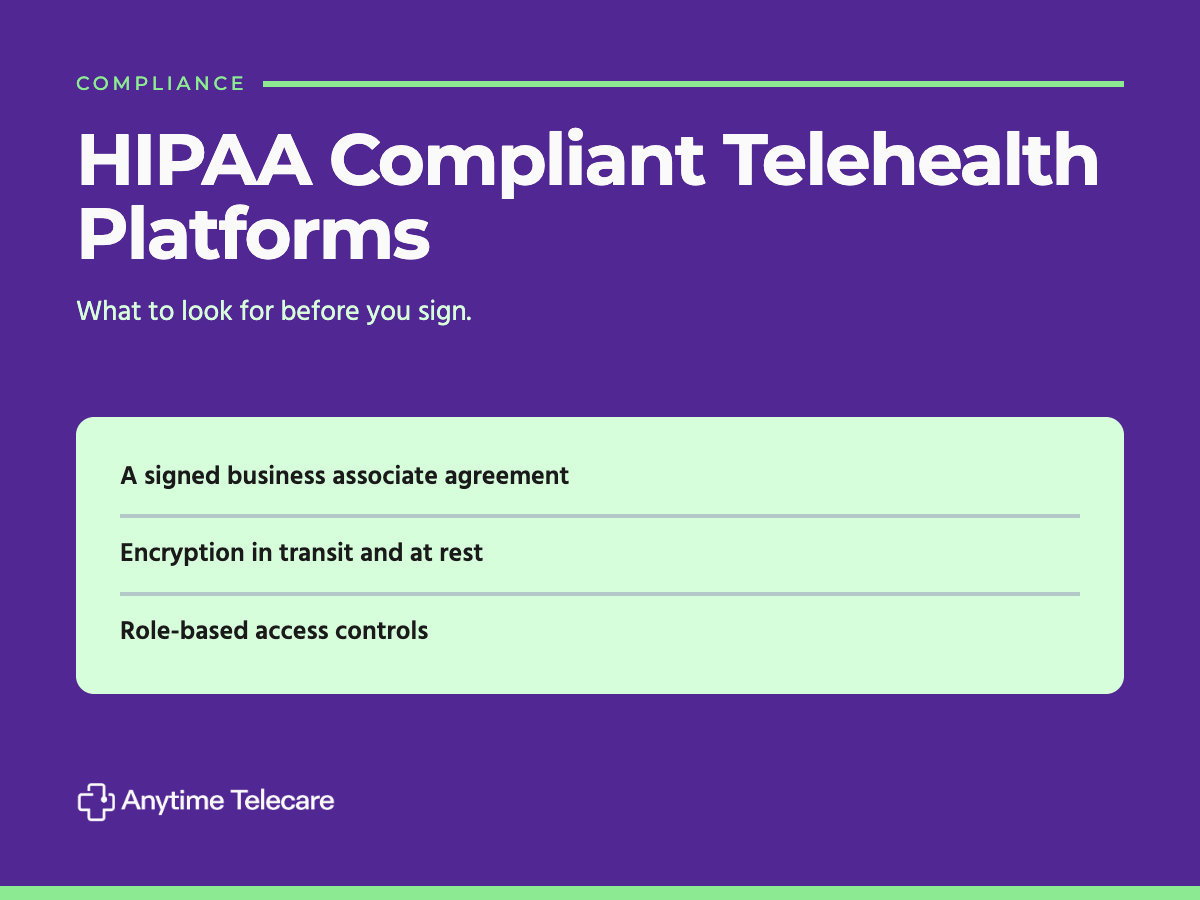
A compliant platform needs a signed BAA, encryption in transit and at rest, role-based access, and audit logs. Verify all four before you sign, not after.
03Running Virtual Visits in a Real Schedule
Virtual visits work when they fit the way your day already runs. That means defined blocks, a clear intake path, and staff who know which complaints belong on video.
04Pediatric Virtual Care
Children are the strongest use case for virtual visits, because parents want an answer fast and travel is the hard part. School terms and cold season drive most of that volume.
05Seasonal Demand
Virtual demand is not flat. Summer travel, back to school, and cold and flu season each change what patients call about and how quickly they need an answer.
06Reaching Patients Who Are Hard to Reach
Distance, age, and stigma all keep patients from booking. Virtual care removes the travel barrier for rural patients, meets teenagers where they already are, and lowers the threshold for behavioral health.
Is telehealth the same as virtual care?
No. Telehealth generally means the video visit. Virtual care is the broader category that also covers secure messaging, remote monitoring, and phone triage.
What makes a telehealth platform HIPAA compliant?
A signed Business Associate Agreement, encryption in transit and at rest, role-based access controls, and audit logging. Ask to see all four.
Can virtual visits handle pediatric patients?
Yes, and pediatrics is one of the strongest use cases. Parents get an answer quickly and avoid bringing a sick child into the office.
Do virtual visits replace after-hours nurse triage?
No. They complement each other. Triage assesses and routes the call, and a virtual visit handles what needs to be seen.
- HIPAA Compliant Telehealth Platforms: What to Verify Before You Sign
- Nurse Triage Companies: How to Compare the Top Providers
- How To Combine Telehealth and Nurse Triage Creates a Seamless After-Hours Care
- Virtual Office Hours: How Virtual Visits Bring Patients Closer to Their Primary Care Providers
- Implementation of Your Pediatric Telehealth Solution
- Child-Friendly Care: 4 Ways Anytime Telehealth Enhances the Pediatric Patient Experience
- School’s in Session: What That Means for Pediatricians This Cold and Flu Season
- Using Telehealth During Summer Months
- Continuing the Legacy of Telemedicine: 3 Ways to Keep Your Patients Connected to You
- Back-to-School Season: How Telehealth Can Help When Children are Sick
- Healthcare Deserts: How Virtual Care Can Help Meet Patients Where They Are
- Using Virtual Care to Connect with Your Teenage and College-Age Patients
- What’s the Difference Between Telehealth and Virtual Care?
- Best Practices for Treating Patients with Anxiety and Depression via Telehealth
Enhance your practice today
Talk to the nurse-led team about after-hours coverage for your call volume and specialty mix.